

Section
European Union
Institutions, the single market, common policies and European sovereignty.
The European Union section examines institutions, the single market, common policies and sovereignty debates. It connects Brussels’ trade-offs with national trajectories and the Union’s place in the international system.
Featured
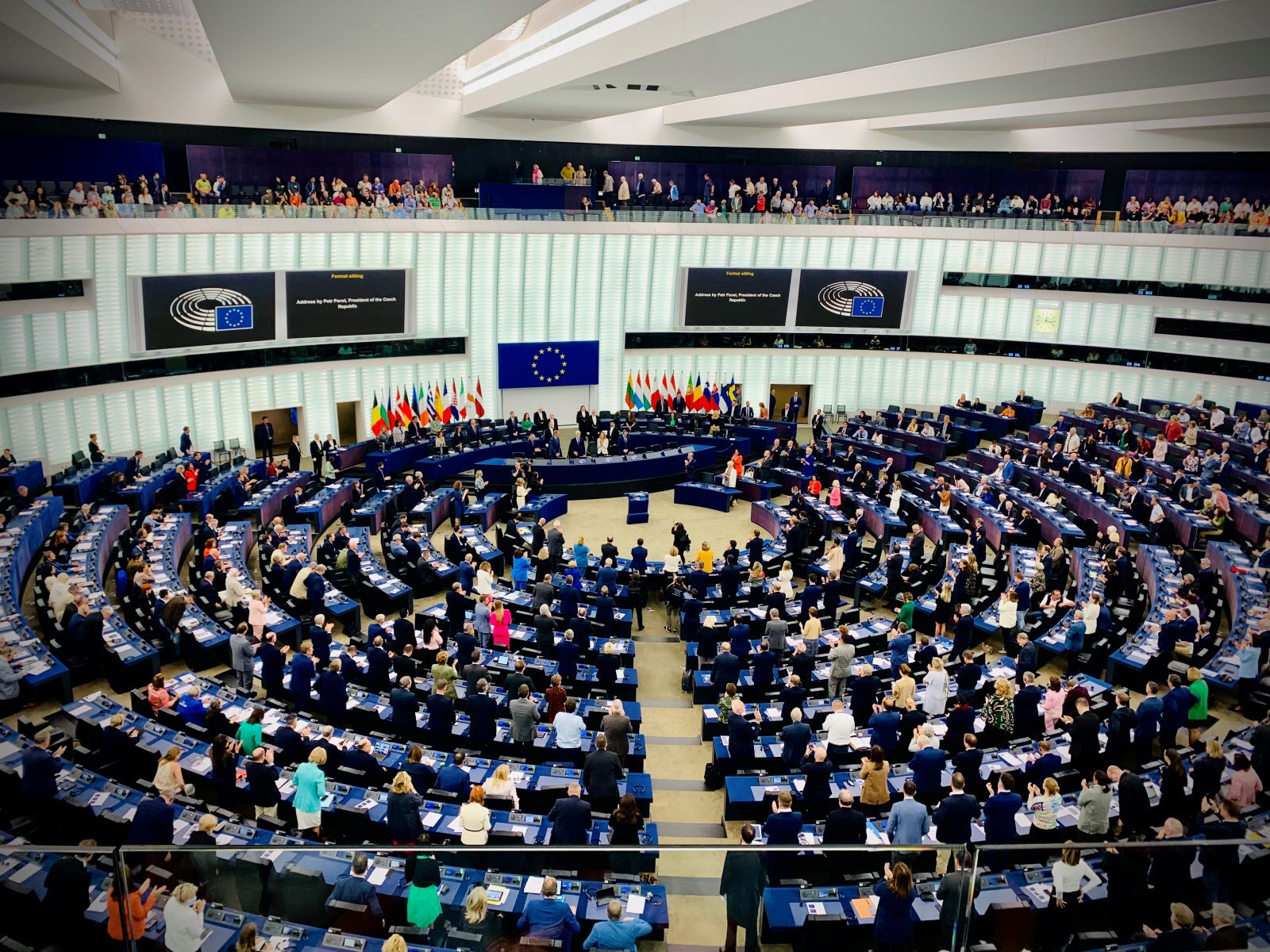
Europe: The End of the Age of Certainties
Europe: The End of the Age of Certainties
On September 20, 2026, in Orvieto, an apparently minor political scene said something about a much larger transformation. In this Umbrian town, Roberto Vannacci, founder of Futuro Nazionale, turned his attention toward Alternative für Deutschland. He described its programme as fairly similar to his own, stressed the many points the two movements had in common, and noted that they belonged to the same group in the European Parliament.
AnalysisRecent publications
The Foundations of European Integration
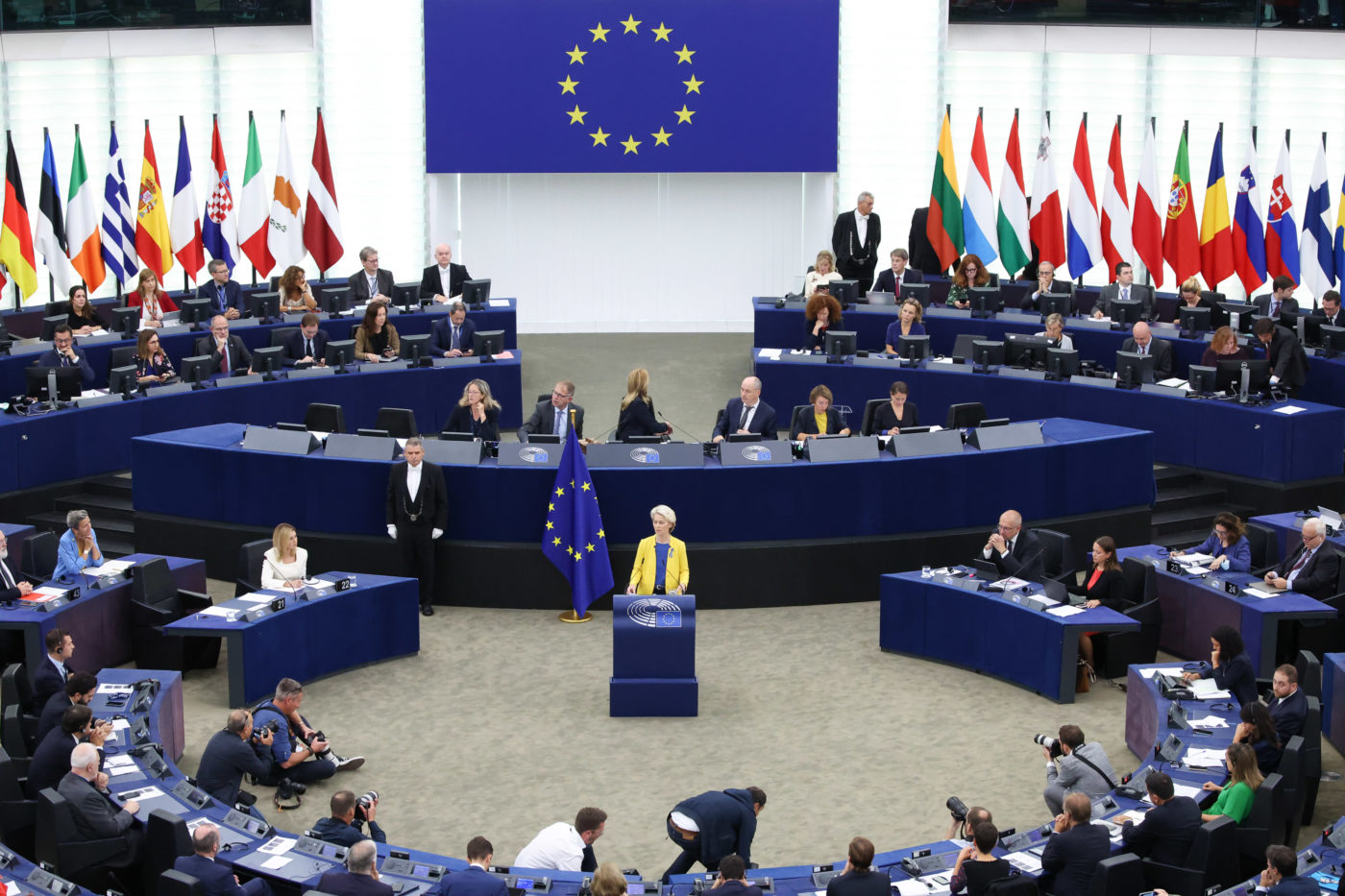
Understanding the Common Policies That Shape the Union
Germany: Europe’s Industrial Powerhouse
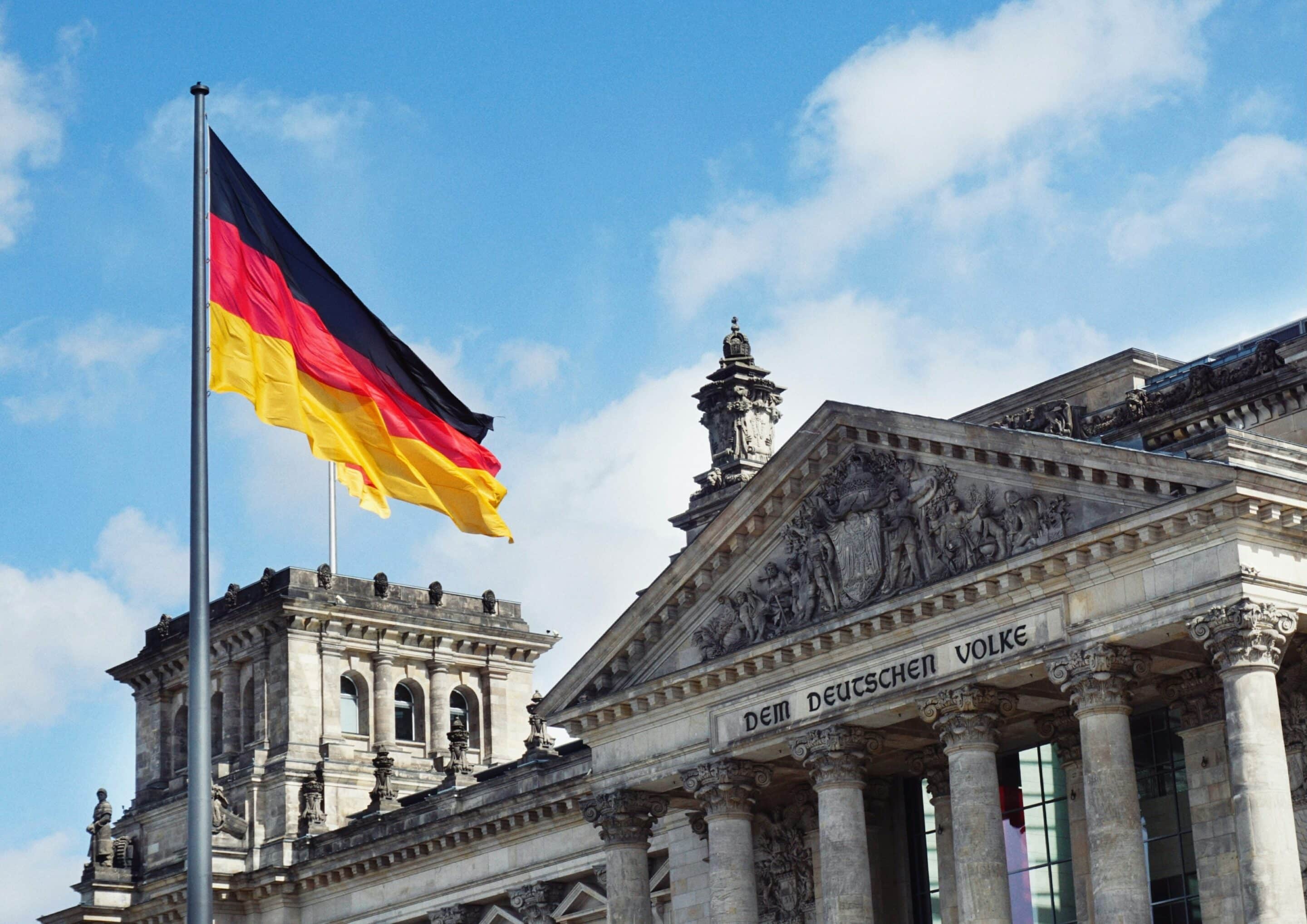
For several decades, Germany embodied one of the most remarkable economic success stories of the modern era. Destroyed in 1945, divided during the Cold War, and reunified in 1990, it became Europe’s largest economy, one of the world’s leading exporters, and the industrial core of
Spain, or the Queen’s Game
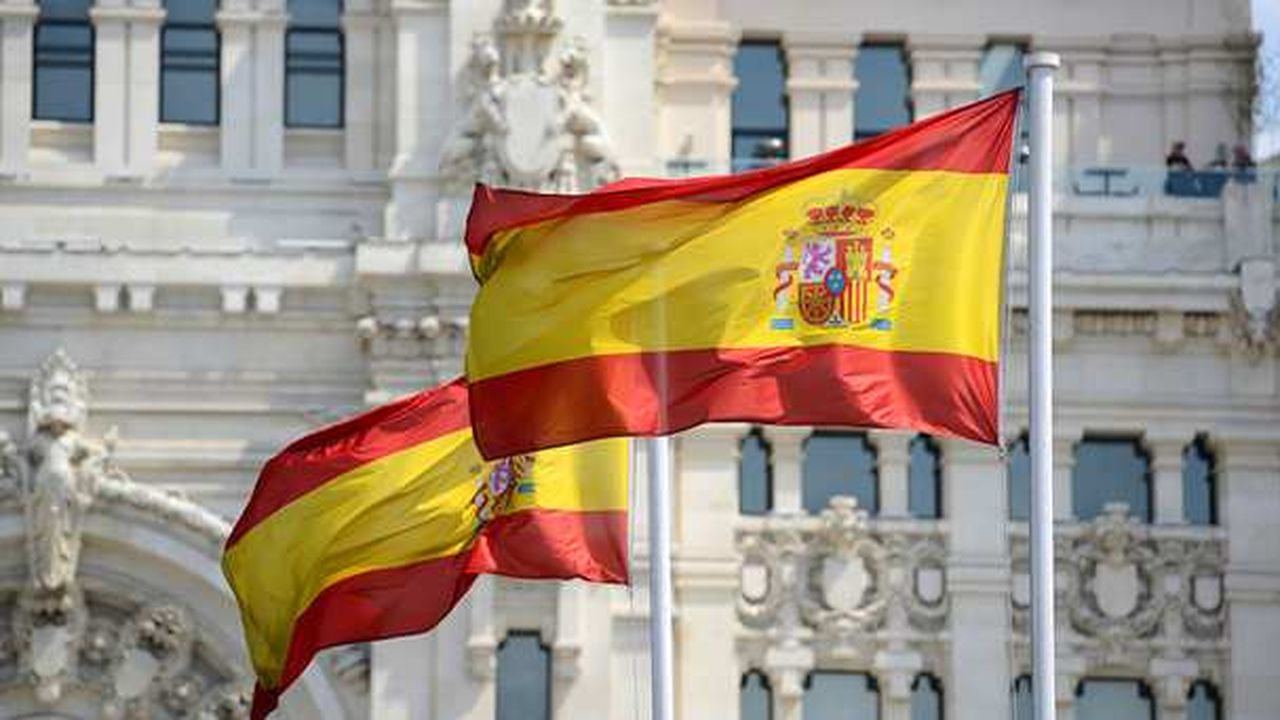
Spain is often perceived as a familiar power. Its name immediately evokes Madrid, Barcelona, Mediterranean tourism, football, the monarchy, imperial history, and a culture whose influence extends far beyond Europe. Yet this familiarity conceals a more complex reality. Spain is no
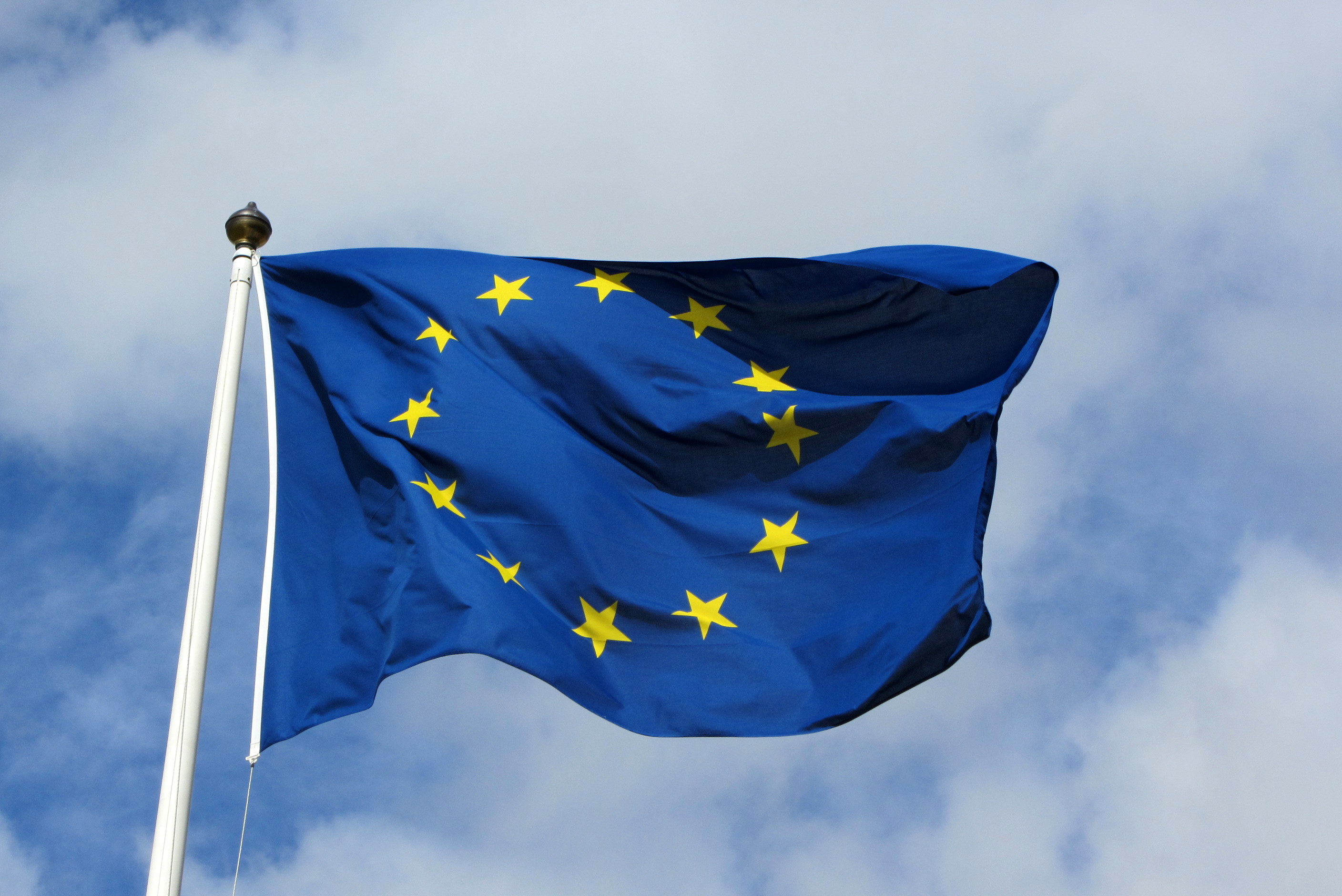
Europe: Power Without Sovereignty
Europe occupies a paradoxical position in the contemporary world. It remains one of the planet’s principal centres of wealth, consumption, scientific production and institutional stability. It possesses powerful companies, advanced infrastructure, a highly educated population and